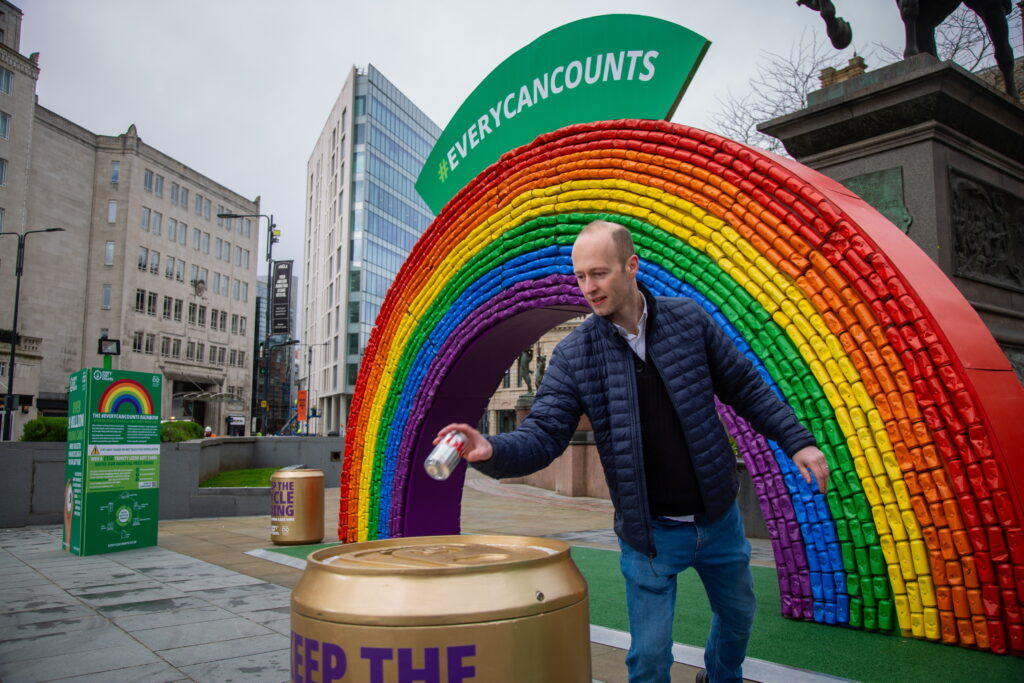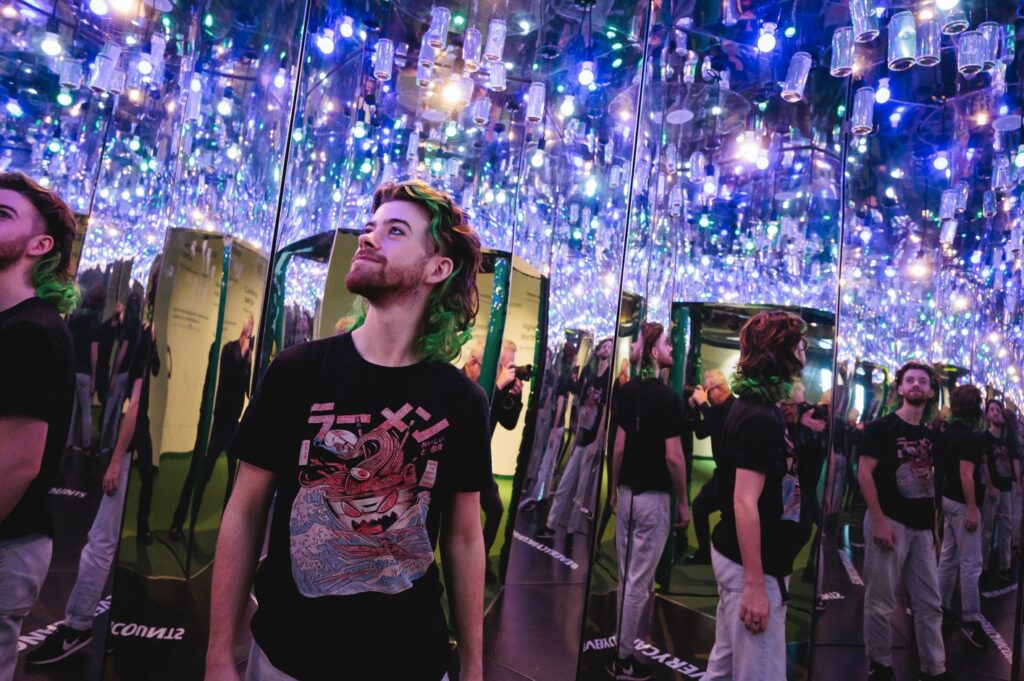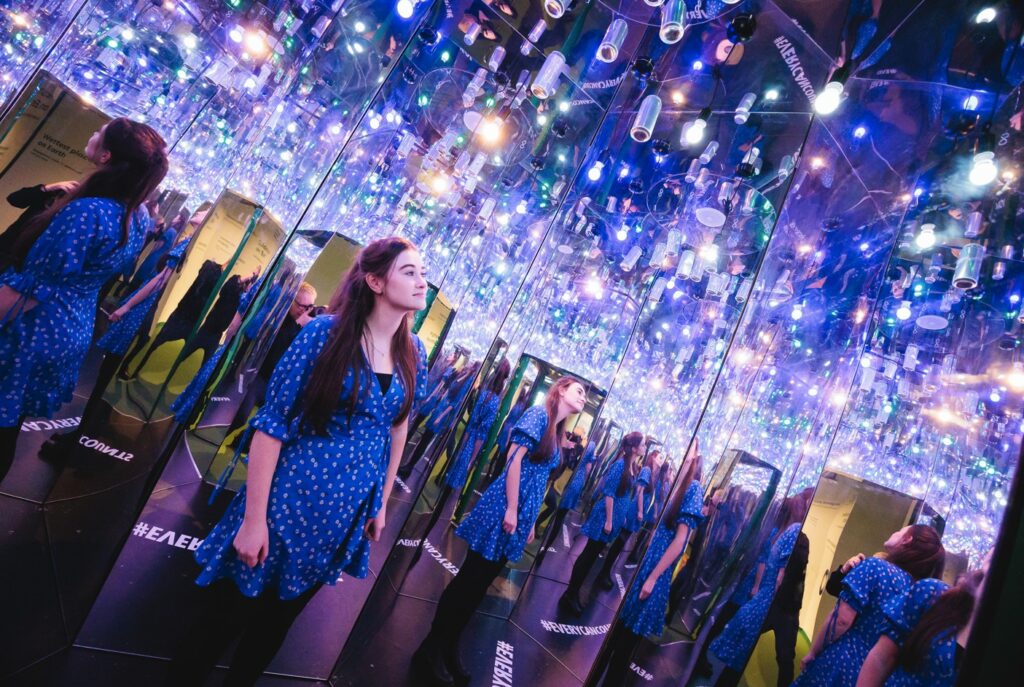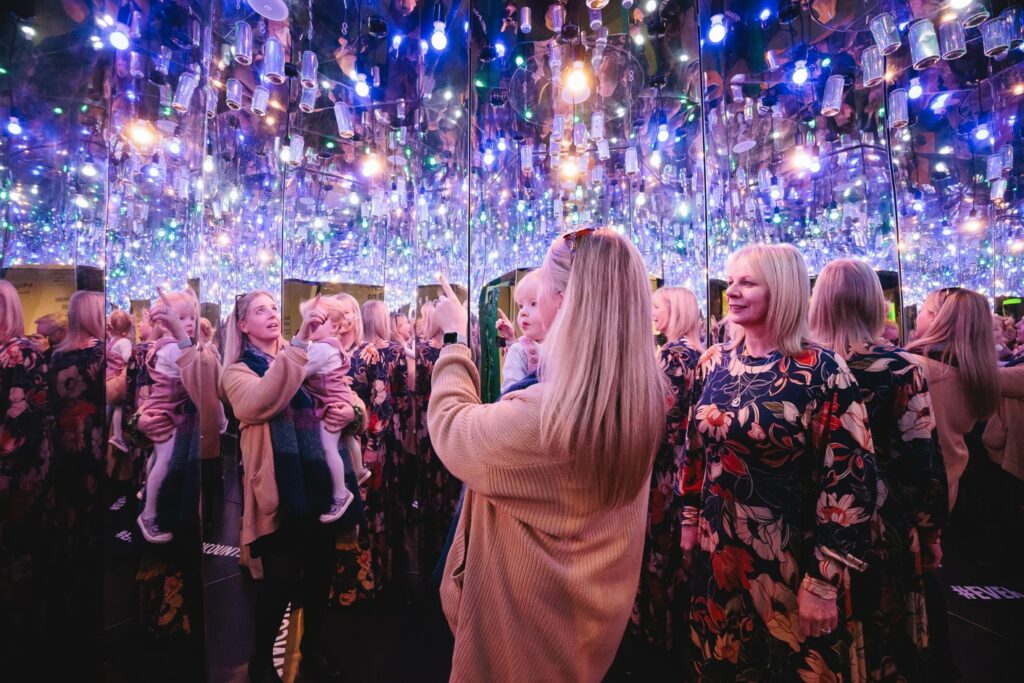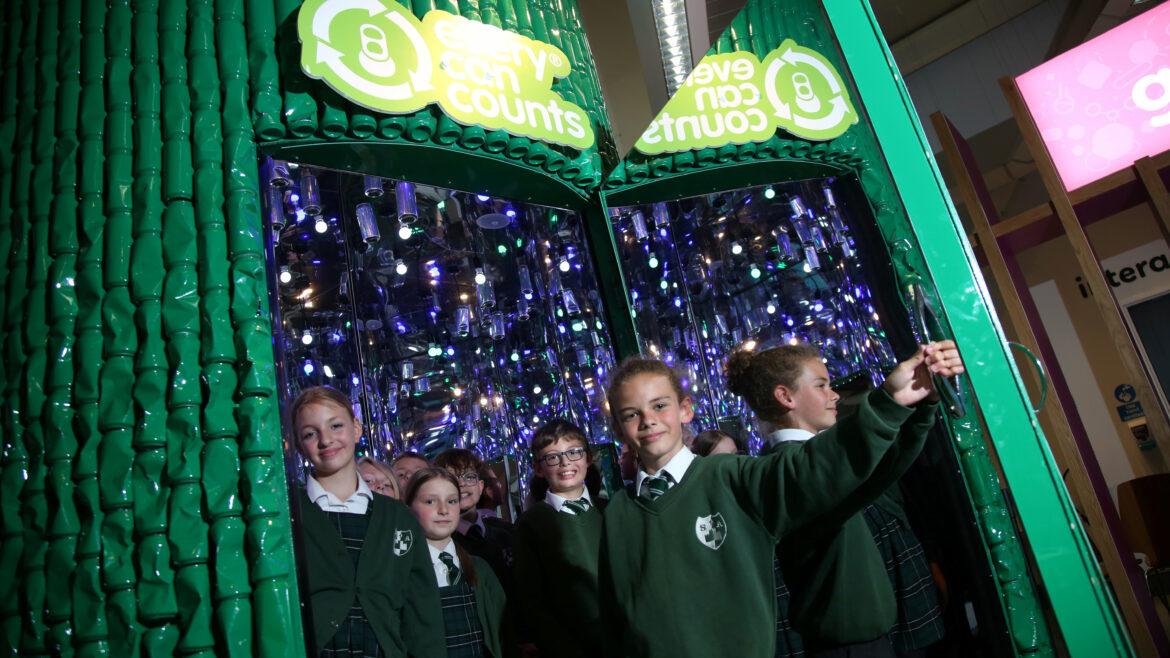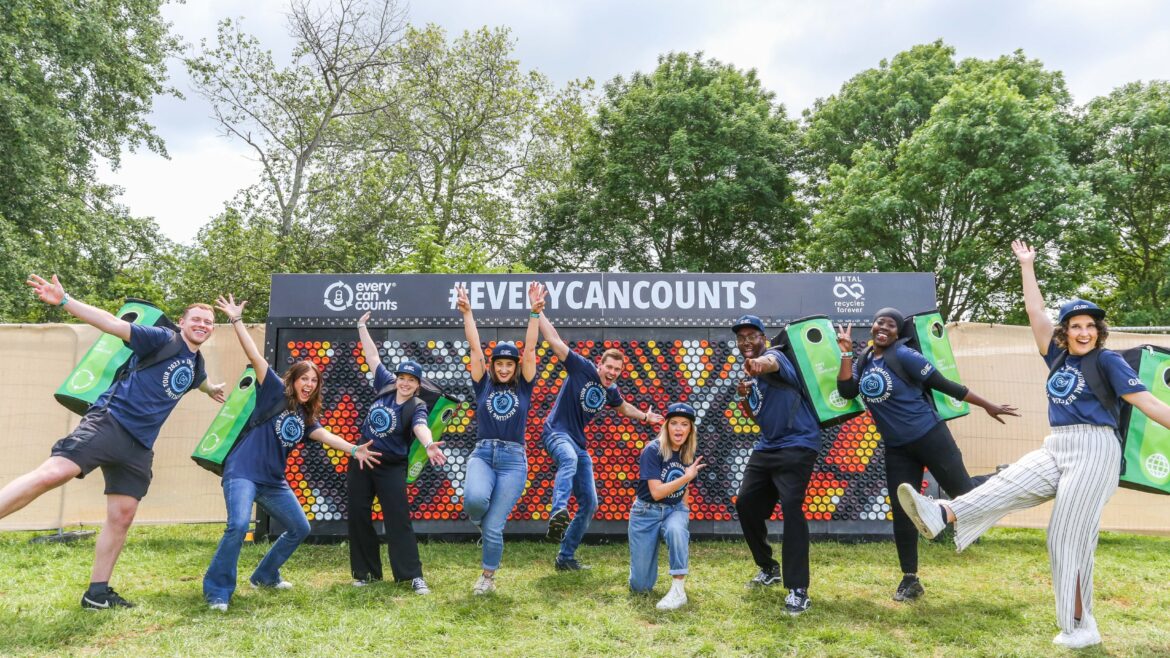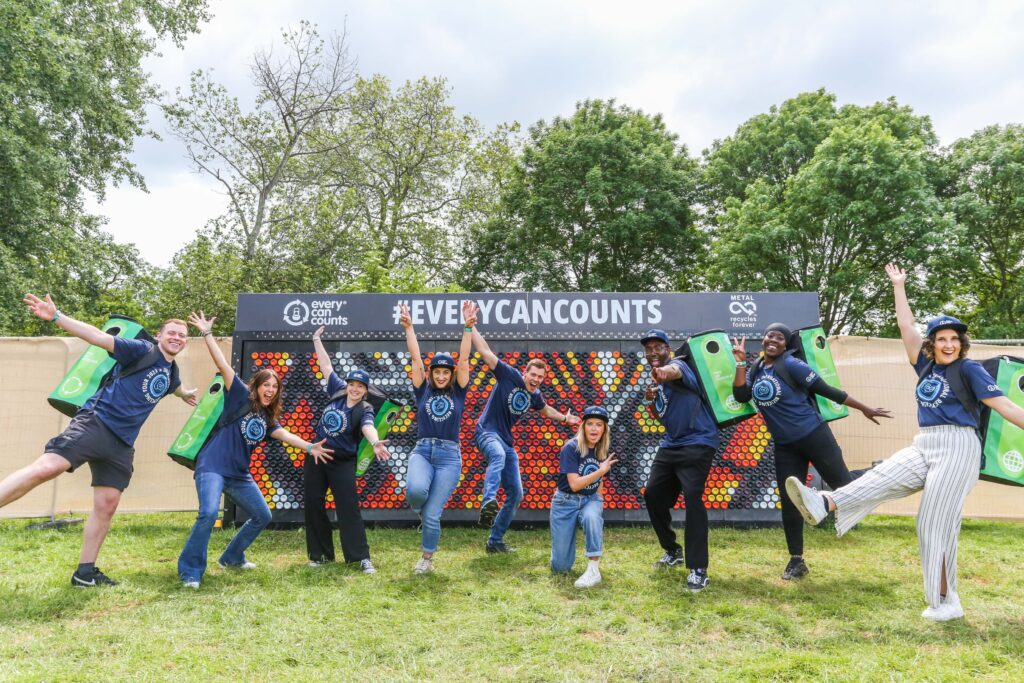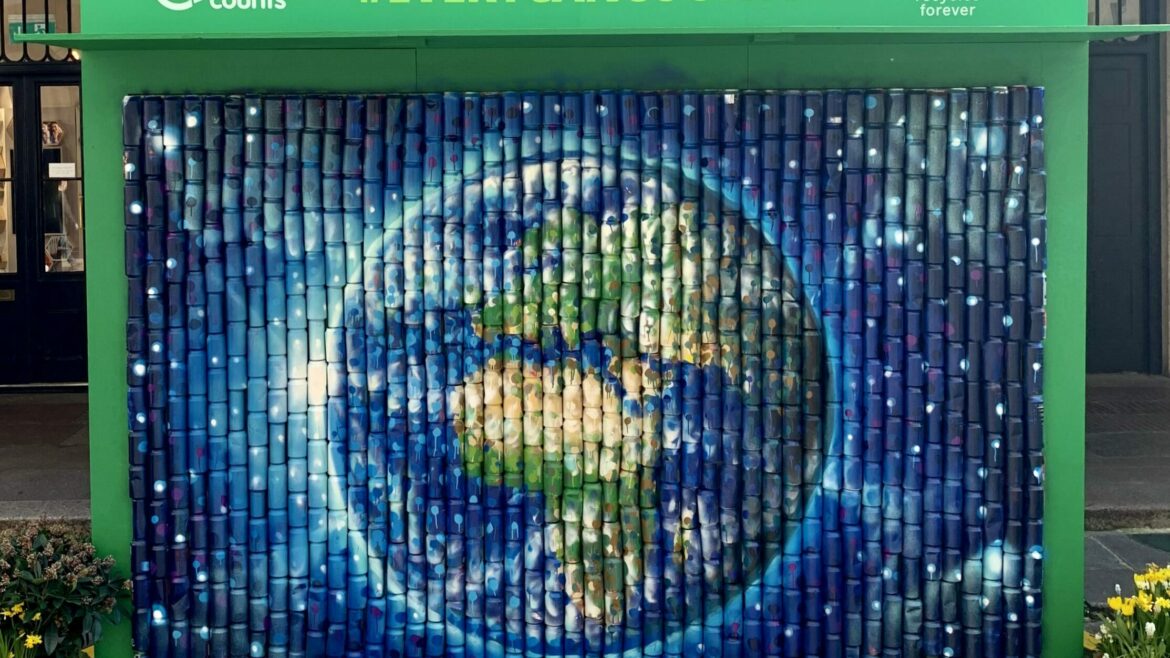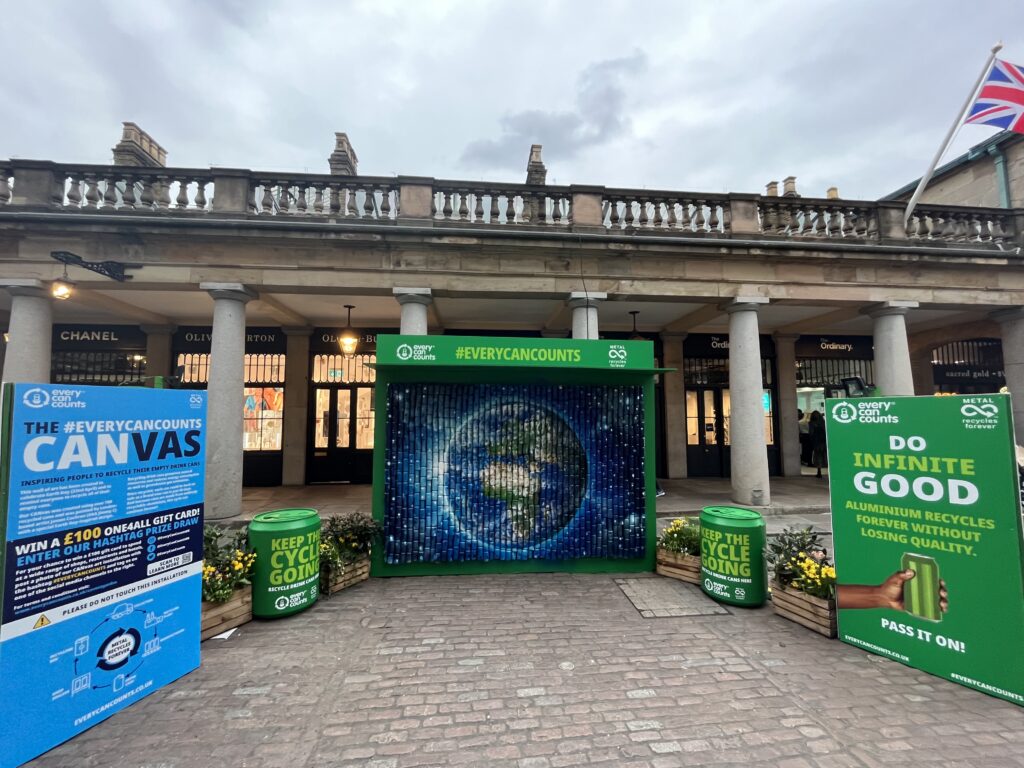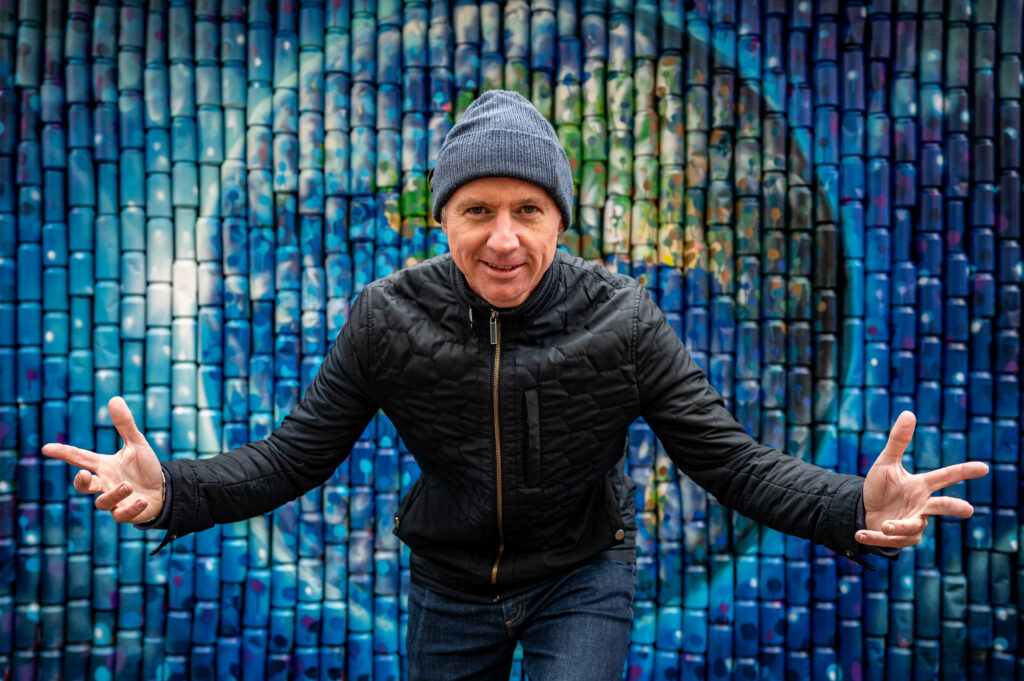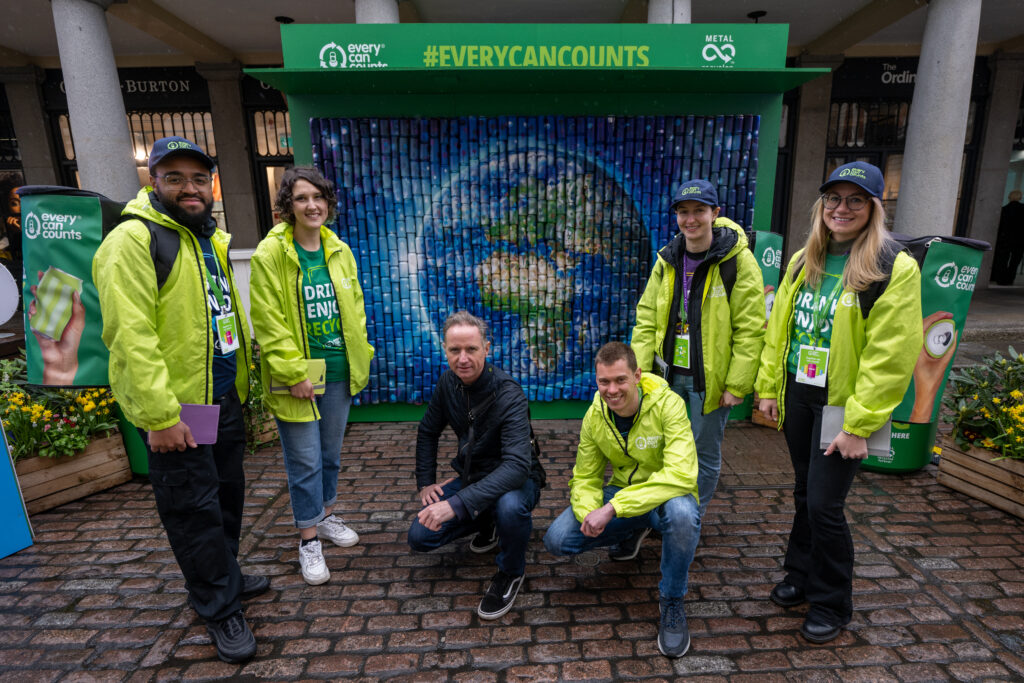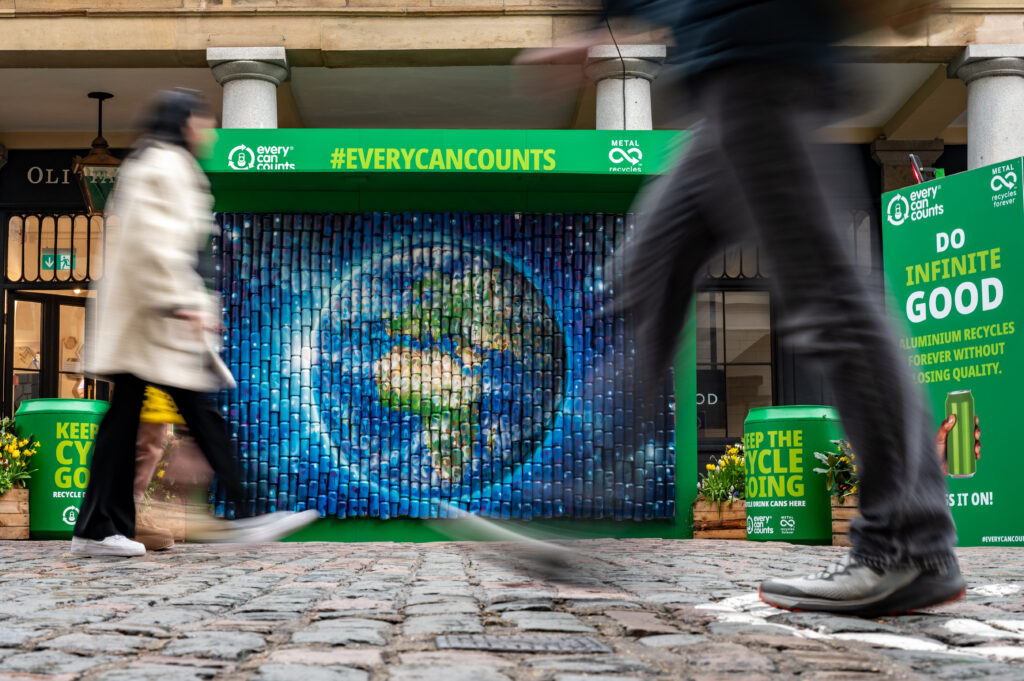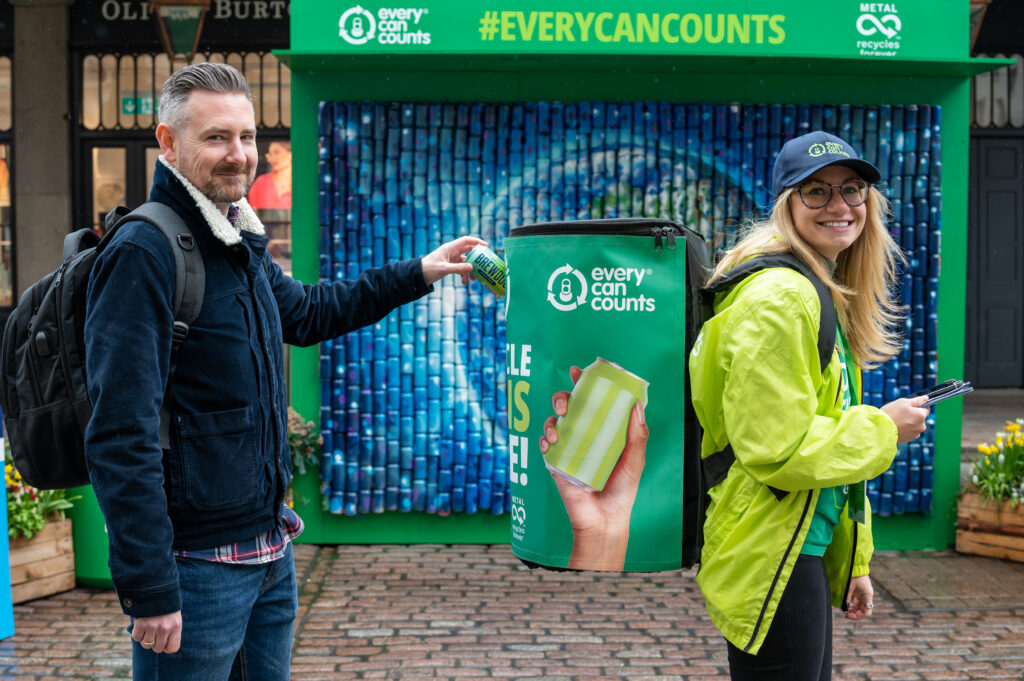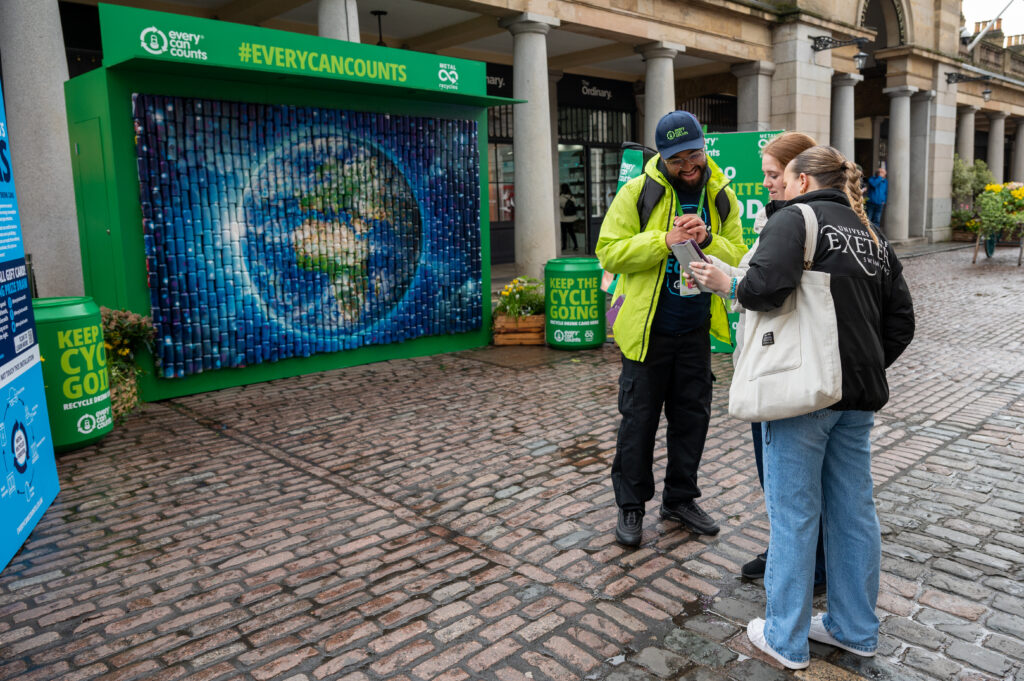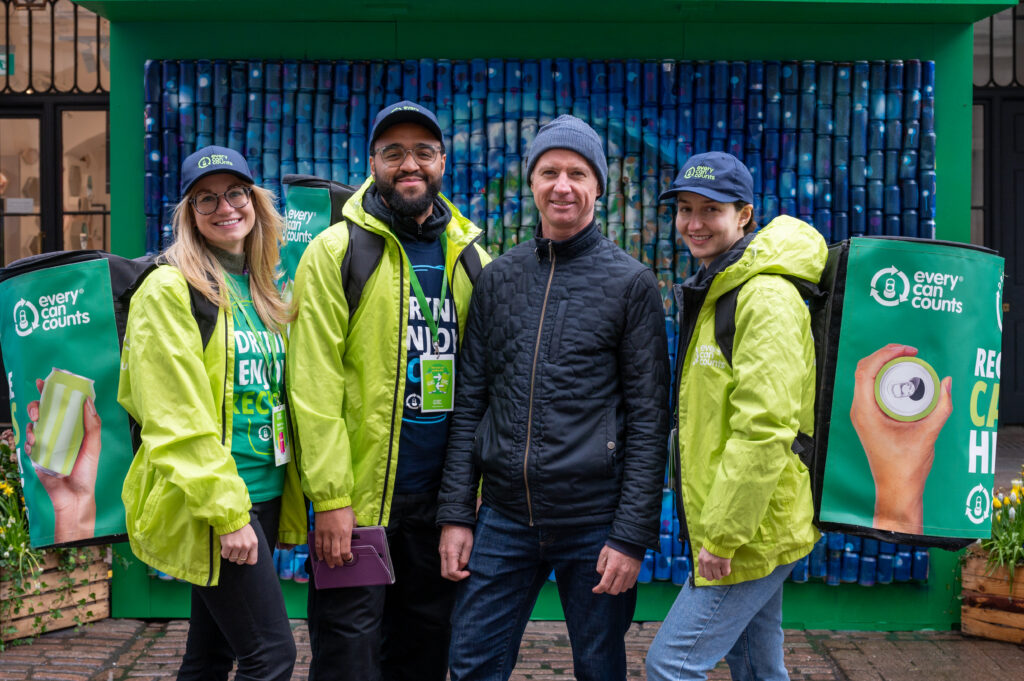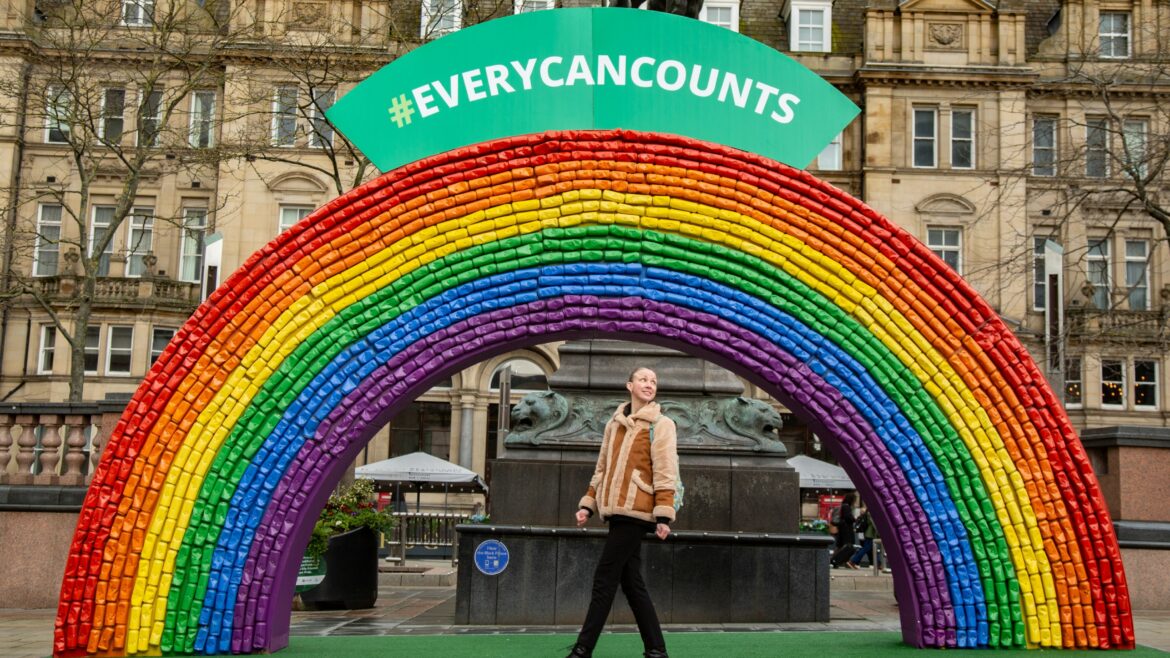
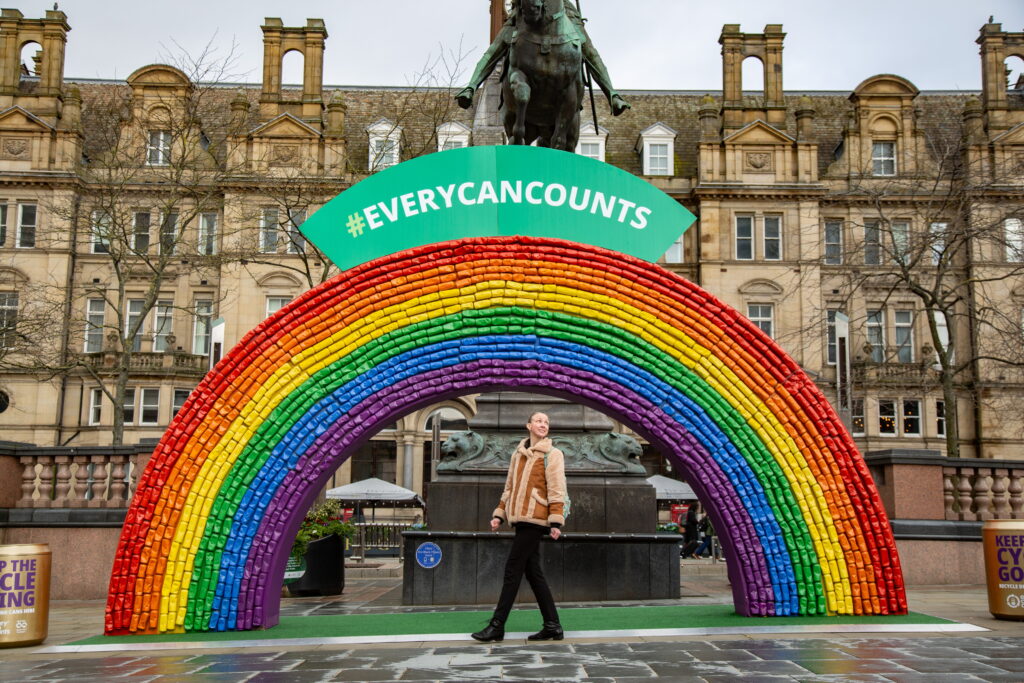
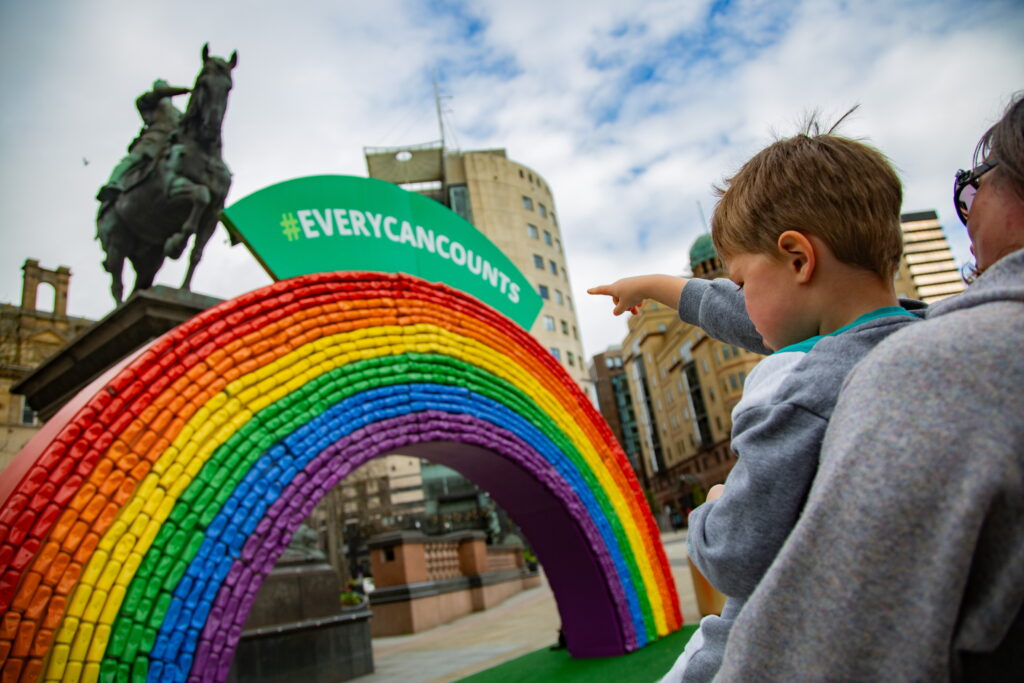
Our giant rainbow installation has been unveiled outside of Leeds Station to commemorate Earth Day 2024!
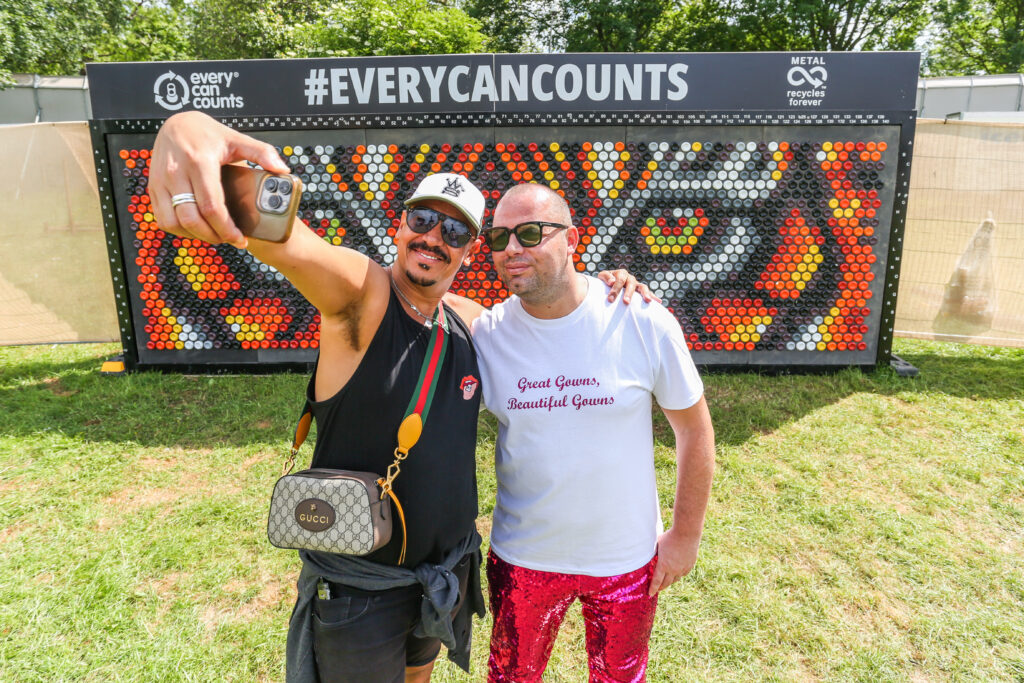
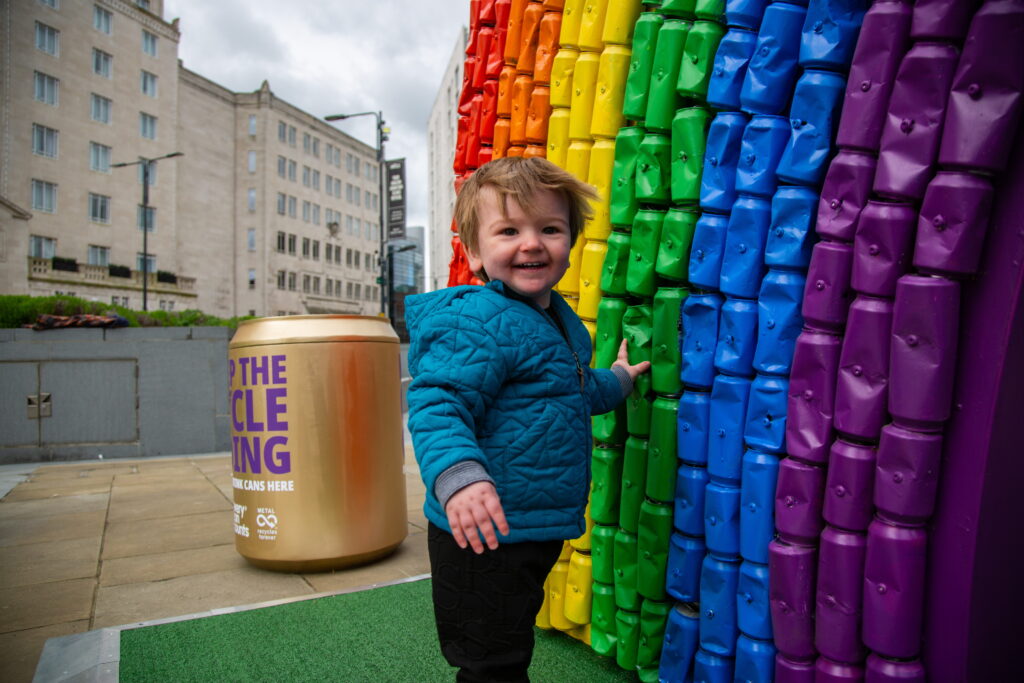
The four-by-seven metre structure is made from more than 2,500 recycled cans and has been created to raise awareness about the importance of recycling.
The #EveryCanCounts Rainbow was revealed on Friday 19th April and will be on display outside the station by City Square until Monday night which ties into this year’s Earth Day.
What is Earth Day?
Earth Day is an annual event which falls on the 22nd April each year and focuses on diversifying, educating, and activating the environmental movement worldwide.
Why Do We Celebrate Earth Day?
Working with over 150,000 partners in over 192 countries – including ourselves – Earth Day hopes to inspire individuals to yield their power and influence as consumers by making more sustainable choices.
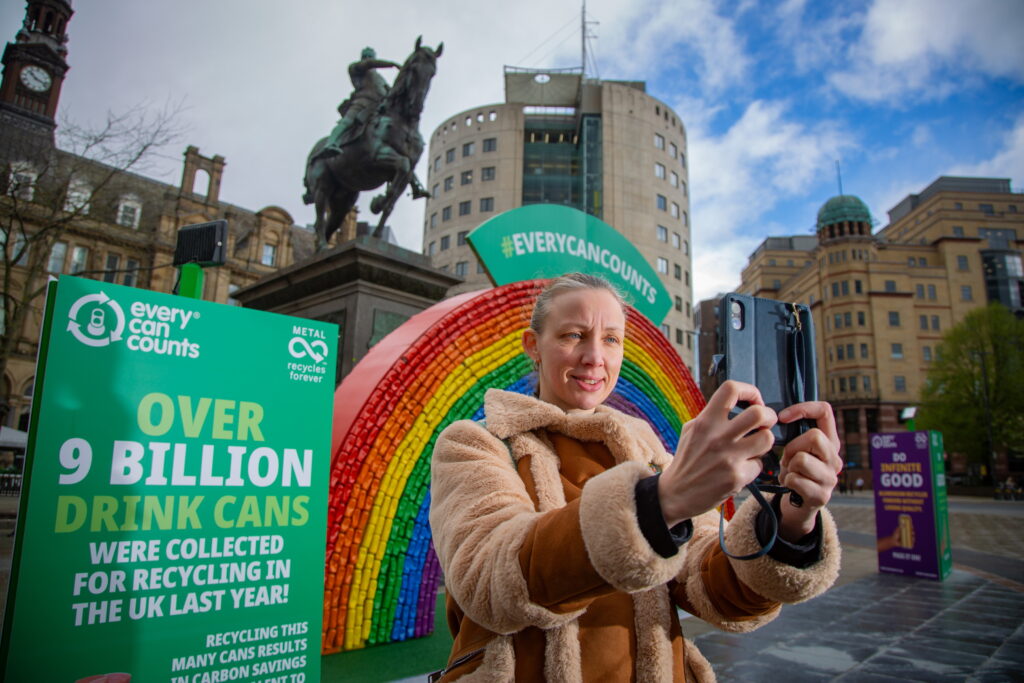
Last year, over 9 billion drink cans were recycled in the UK—the equivalent of covering Elland Road’s football pitch with drink cans almost a million times over. Moreover, recycling one tonne of aluminium saves nine tonnes of CO2 emissions, meaning that in 2023, the carbon savings generated by recycling drink cans equated to taking over 246,500 cars off the road.
Why Are We Celebrating Earth Day in Leeds?
According to our new research, Leeds residents drink an average of five cans a week, of which people say they recycle around 74%.
Even though half (54%) say they are more aware of environmental issues than they were 12 months ago, 41% admit that they put recyclable items in refuse bins if recycling facilities aren’t available.
Furthermore, the biggest barrier locals face whilst recycling is the lack of recycling bins in public places (68%), followed by the desire for more recyclable packaging (45%) and clearer signage on recycling bins (40%).
Half (54%) also agree that more needs to be done to educate young people about the importance of recycling.
So… What Can You Do to Help?
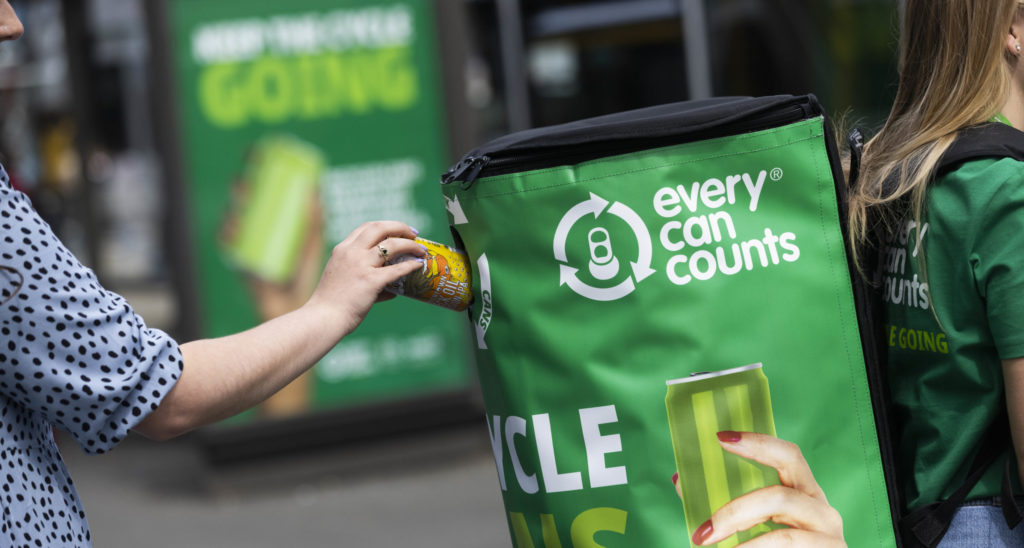
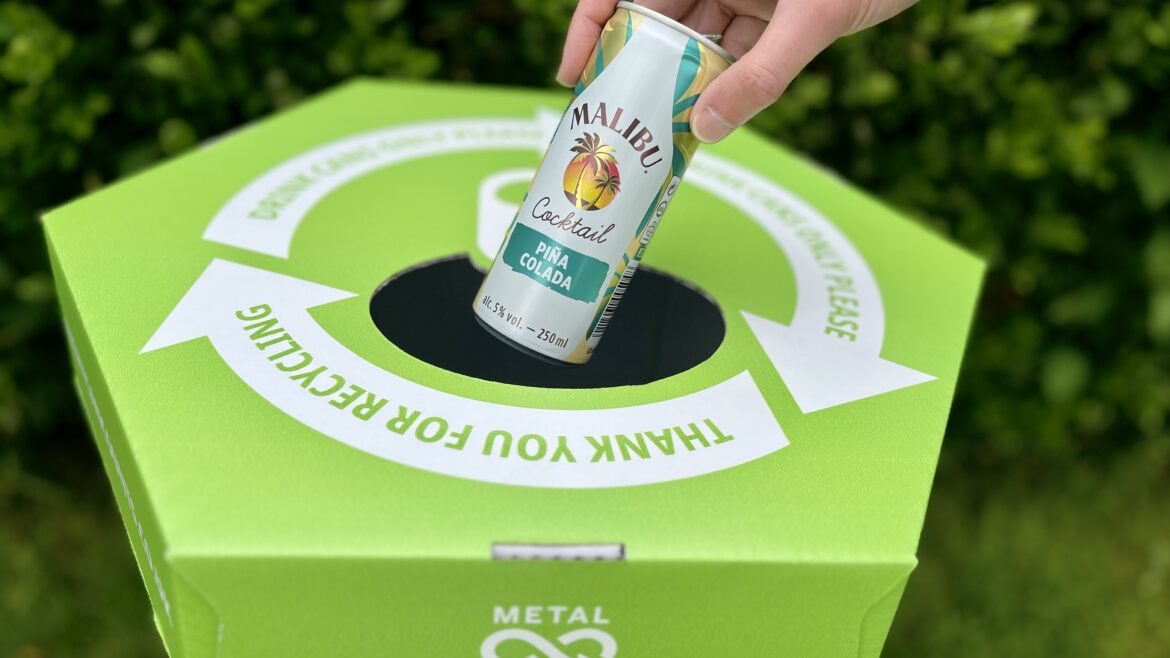
In Leeds, eye-catching yellow recycling-on-the-go bins for drinking cans can be found across the city centre and in town centres including Chapel Allerton, Headingley, Garforth, Morley, Otley and Wetherby. This makes it easier than ever for all residents to recycle all they can when out and about as well as at home in their green bins, helping Leeds’ ambition to ultimately become a carbon-neutral city by 2030.
In 2023/24, 398 tonnes of aluminium were collected from the green and recycling-on-the-go high street bins, the equivalent of over 28 million drink cans. If every Leeds household put two more drink cans in their green bin every collection, there would be another 19 million cans recycled in Leeds each year.
Last month also saw 10,000 more Leeds households move on to fortnightly collections, aimed at supporting and encouraging increased recycling. A further 20,000 more are due to move on to weekly collections from early summer.
We want our Rainbow installation to act as a reminder that your small actions CAN make a big impact on our planet. By recycling just one aluminium drink you could save enough energy to power your laptop for 4 hours. So this #EarthDay we want you to remember that although your drink can might be small, your actions really add up to paint a bigger picture… much like the 2,500 drink cans which make up our colourful archway!
How You Can Get Involved in Earth Day 2024!
Alongside the new installation, we are also giving away a £150 Trinity Leeds Gift Card to one lucky winner. To enter the competition, entrants must post a photo of the rainbow in Leeds on Instagram, Facebook, or X before midnight on Thursday 25th April, using the #EveryCanCounts hashtag and tagging our social media channels.
The full competition T&Cs can be found here.
What We Had to Say…
Chris Latham-Warde, Programme Manager for Every Can Counts, said: “We’re delighted to see our rainbow installation make its Leeds debut to mark Earth Day this year and look forward to seeing the photography locals capture as part of our competition!
“As well as brightening up the city centre, we hope our installation reminds people about the benefits of recycling their drink cans and makes them feel empowered to make sustainable choices.
“Aluminium can be recycled time and time again, and making cans from recycled metal uses 95% less energy than making them from raw materials. The people of Leeds can play their part in this process by ensuring their empty cans end up in the right bin, allowing this valuable material to remain in circulation.”
Councillor Paul Wray, Leeds City Council deputy executive member for climate, energy, environment and green space at Leeds City Council, said: “It’s fantastic to see this striking rainbow arch in Leeds to celebrate Earth Day, hopefully it will get people talking about what more they can recycle to look after the planet.
“If we can all pledge to recycle our drink cans when we’re out and about, or at home in the green recycling bin, then these small changes can make a huge difference for the city and the planet.”